 Apply directly to soil to improve its structure, increase fertility, and enhance nutrient absorption by plants. Provides long-term benefits for sustainable agriculture.
Humic essense from Russia with love
Working with us, you will enjoy a number of benefits that will make cooperation with us special and profitable.
Baltic peat. Practical benefits.
Better soil.
Stronger harvests.
Peat-based humic and fulvic fertilizers from Kaliningrad. Support soil structure, moisture retention and plant nutrition — with a formulation suited to your growing conditions.
+30–40% Crop yield in a reported field trial Beetroot · Moscow region · 2024 Read the trial results
In the conditions of the Moscow region, Agri39-3-humate enriched with K, N provided by KALININGRADSKIY KALIY LLC was used for foliar feeding of beetroots (Bordo 237 variety). As a result, the significant improvement of the yield structure indicators was observed. As the fertilizer dose increased, the root length increased by 9.2-13.9%, the root diameter increased by 3.9-7.8%, and the weight of the root crop - by 6.8-8.8%. The yield of commercial-grade root crops increased by 15.7-17.1 t/ha (36.9-40.2%), while the yield in the control group was 42.5 t/ha. The sugar content in the roots increased by 0.4-0.8%, while the content of vitamin C increased by 0.5-0.6 mg/100 g. The content of nitrate nitrogen never exceeded the MAC values (1,400 mg/kg wet weight). The best results were obtained with the application rate of 0.15 l/ha (Center of Biological Examinations LLC, 2024).
around30% Less water evaporation Moisture-retention effect described in the product information. How moisture retention works
Mechanism of humate effect on soil structure is individual for different soil types. In light soils humate envelopes and glues together mineral particles of soil, contributing to the creation of valuable lumpy-grained water-permeable structure, improving its air permeability, water permeability and water-holding capacity. On heavy clay soils humic acids penetrate into the interpacked spaces of clay particles, contributing to the destruction of compact three-dimensional structure of clay with the same name extraction of metal ions (Ma, Ca, K, Me). As a consequence, the soil structure changes: it becomes more friable, excess moisture evaporates from it more easily, air permeability improves, which facilitates breathing and root movement. Improved soil structure ultimately improves the erosion resistance of the soil. Moisture retention. The ability of humates to retain moisture is due to the formation of hydrogen bonds between charged groups of humates and water molecules, as well as metal ions absorbed on them. As a result, water evaporation is reduced by about 30 per cent, which improves plant uptake of moisture in sandy soils.
01 / Natural origin Rooted in Baltic peat Humic and fulvic substances from peat deposits in the Kaliningrad region. Explore the source
We extract the purest deep-layer peat from our deposits in the Kaliningrad region—an area free from large-scale industrial activity, ensuring an untouched environment. Our lowland peat dates back 150,000 years, with deposits formed at significant depths, guaranteeing an eco-friendly product rich in humic and fulvic acids, as well as essential trace elements.
In our fertilizer production, we employ cutting-edge technology to create highly concentrated, nutrient-rich formulations. Additionally, our innovative processes allow us to adjust pH levels to suit various soil types, ensuring optimal compatibility and effectiveness.
02 / Soil vitality Support life below ground Improve soil structure and support the processes that make nutrients available. Explore soil benefits
Humic acids are, on the one hand, growth stimulators for microorganisms, on the other hand a source of available carbon, nitrogen and phosphorus. Humic acid molecules form large aggregates on which microorganisms actively develop. Introduction of humates into soil significantly intensifies the activity of different groups of microorganisms, which are closely connected with mobilisation of soil nutrients, transfer of potential fertility into effective one. By increasing the number of silicate bacteria in the soil, there is a constant replenishment of exchangeable potassium assimilated by plants. Humate stimulates the growth of microorganisms that decompose hard-to-soluble organic and mineral compounds of phosphorus. Humates also improve soil availability of assimilable nitrifying bacteria increases up to 3-7 times, ammonifying bacteria up to 3-5 times. Improvement of living conditions of soil free-living bacteria increases their ability to fix molecular nitrogen almost 10 times. Such intensification of soil bacteria vital activity in general enriches the soil with available nutrition elements. Decomposing in the soil 'organics' forms a large amount of organic acids and carbon dioxide. Under their influence potassium, calcium, magnesium, phosphorus compounds, which are difficult for plants to access, are more quickly transformed into forms digestible for plants.
03 / Technical support Testing & application guidance Learn about the assessment, application methods and product documentation. Read the assessment overview
The biological efficiency of Agri39 Humic Fertilizer with peat-based microelements, brands: K-39-fulvate enriched with K, N; was assessed on the basis of the registration test results and information on agrochemicals that have a similar composition and properties, published in scientific, technical and reference literature. The applicant has developed recommendations on the product application rates, timing and techniques both for agricultural production facilities and private farms, taking into account the biological characteristics of the cultivated crops. The authors recommend to use standard and special technical equipment for handling aquatic media. They also established personnel safety measures (including the use of personal protective equipment).
We recommend to register Agri39 Humic Fertilizer with peat
Figures refer to the trial summary and product information described above. Results depend on crop, soil, climate and application. Follow the guidance for your specific formulation.
Explore our fertilizersAbout Product
Apply directly to soil to improve its structure, increase fertility, and enhance nutrient absorption by plants. Provides long-term benefits for sustainable agriculture.
 Direct application to plant leaves for quick nutrient absorption when immediate results are needed. Ideal for addressing deficiencies during critical growth stages.
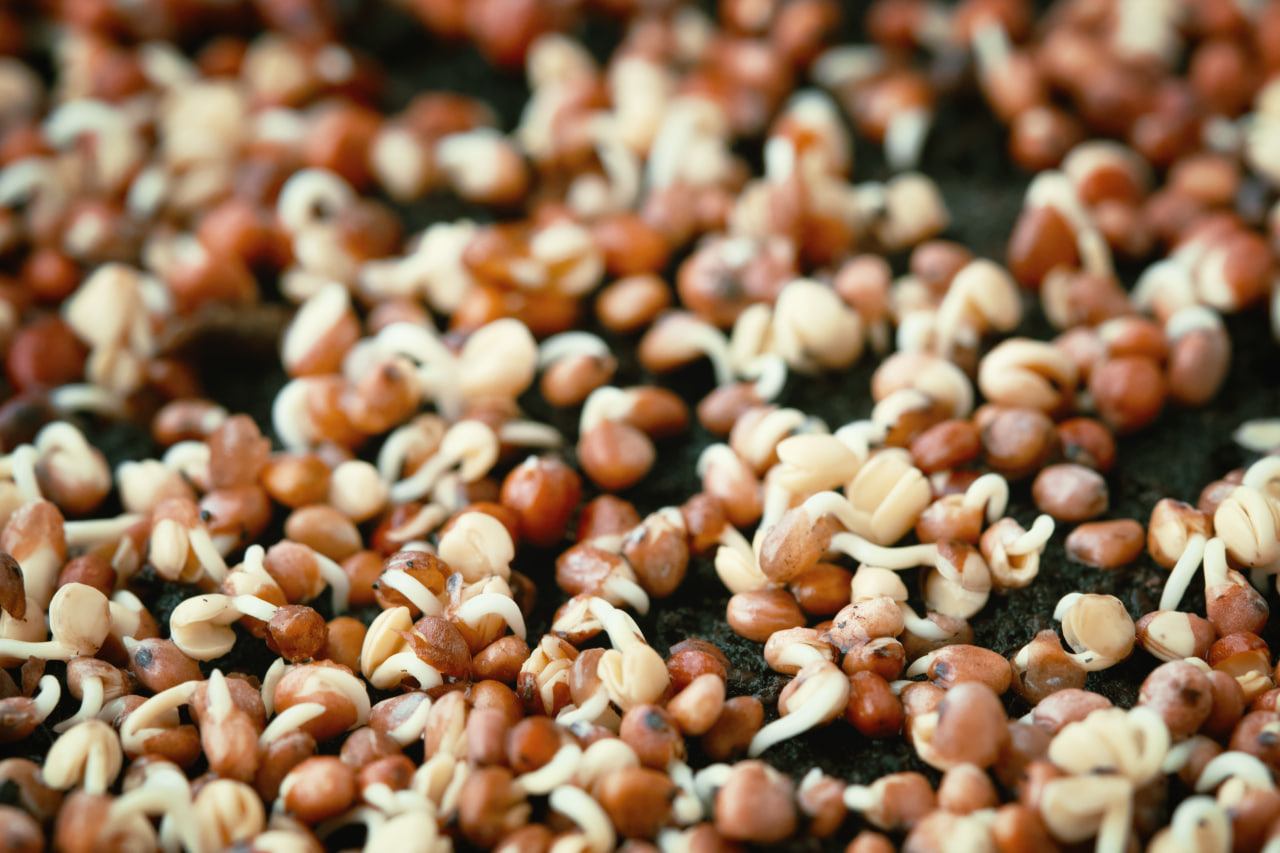 Treat seeds before planting to promote stronger germination, enhance root development, and provide early protection against pathogens and environmental stress.
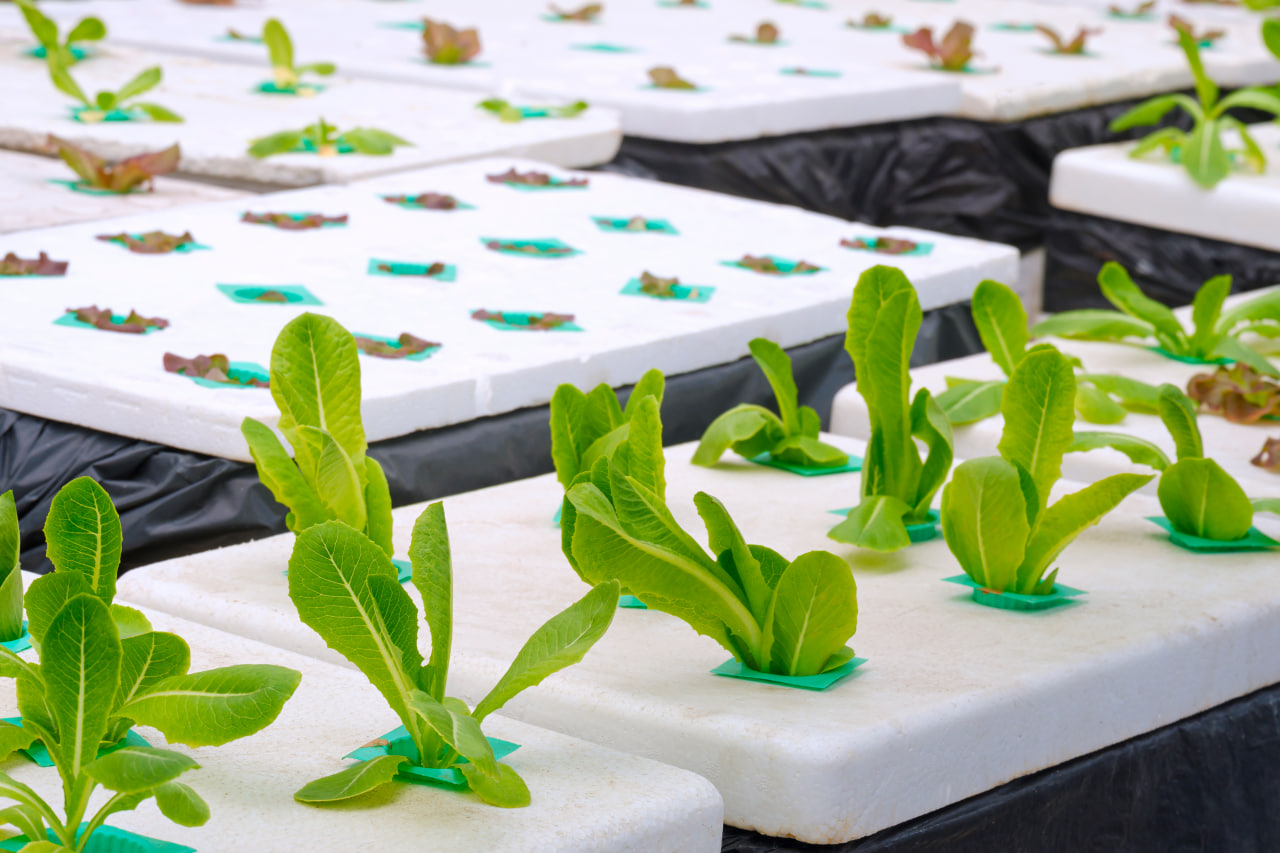 Add to hydroponic nutrient solutions to optimize plant growth without soil. Improves nutrient availability and supports healthier development in controlled environments.
Across the Oceans, To Every Dock – We Deliver!
K39 / Maritime connections
From the Baltic.
To the Gulf.
Explore the sea route from the Kaliningrad region via Ust-Luga to Bahrain.
Interactive route demoIllustrative journey · not live vessel tracking
BALTIC SEA → PERSIAN GULF
RouteTravelled in demoVessel demo